


casino
Command your gambling psychology for better odds
Understanding Your Gambling Mindset
The world of gambling, whether it’s strategic poker or a simple lottery draw, is heavily influenced by psychology. Recognizing and understanding your own mental patterns is the first crucial step towards making better decisions and potentially improving your outcomes. Many players fall prey to cognitive biases without even realizing it, which can lead to impulsive bets and significant losses. A key aspect is understanding the gambler’s fallacy, the mistaken belief that if something happens more frequently than normal during some period, it will happen less frequently in the future, or that if something happens less frequently than normal during some period, it will happen more frequently in the future. This is particularly relevant in games of chance where each event is independent. For those interested in the broader context of online entertainment and its various facets, exploring resources like lospollostv-nz.com can offer insights into different platforms and their offerings.
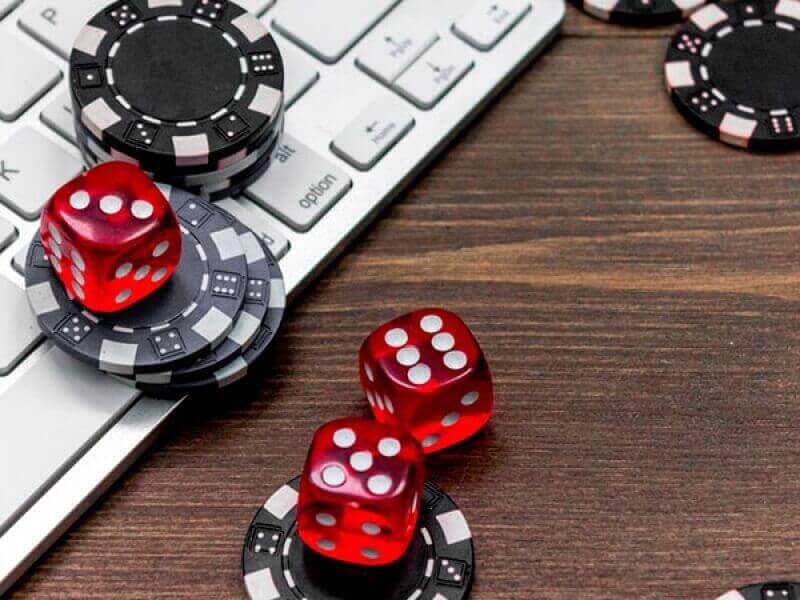
Developing self-awareness around your emotional responses is equally vital. Excitement can lead to overconfidence, while frustration or disappointment can trigger a desire to chase losses, often with larger, riskier bets. Learning to detach your emotions from the outcome of a game, and to recognize when you are becoming too invested emotionally, allows for more rational decision-making. This emotional regulation is a cornerstone of successful gambling, turning it from a purely chance-based activity into one that involves skill and discipline.
The Role of Emotional Control in Betting
Emotional control is paramount when engaging in any form of gambling. When the adrenaline of a win kicks in, it’s easy to feel invincible, leading to a tendency to increase stakes or play for longer than intended. Conversely, experiencing a string of losses can evoke feelings of desperation, pushing players to make rash decisions in an attempt to recoup their money quickly. This emotional rollercoaster can be incredibly detrimental to your bankroll management and overall gambling strategy.
Implementing strategies to maintain emotional equilibrium is therefore essential. This could involve setting strict time limits for gambling sessions, taking regular breaks to clear your head, or even employing mindfulness techniques to stay present and objective. By consciously managing your emotional state, you can prevent impulsive actions that are driven by feelings rather than logic, thereby safeguarding your capital and preserving your ability to make calculated plays.
Recognizing and Mitigating Cognitive Biases
Gambling environments are fertile ground for cognitive biases to flourish. The illusion of control, for example, is the tendency for people to overestimate their ability to influence events that are actually determined by chance. This can lead players to believe they have a system or strategy that can overcome the inherent randomness of games like roulette or slot machines. Another common bias is confirmation bias, where players tend to seek out and interpret information that confirms their pre-existing beliefs about a game or their own skill level.
To combat these biases, it’s important to approach gambling with a critical and objective perspective. Always remember the true probabilities involved in any game. Seek out unbiased information and be willing to acknowledge when luck, rather than skill, has played a significant role in an outcome. Regularly reviewing your decisions and outcomes with a rational mindset, rather than an emotional one, can help to identify and correct these ingrained psychological tendencies.
Bankroll Management and Psychological Discipline
Effective bankroll management is not just about financial planning; it’s a profound exercise in psychological discipline. Setting a strict budget for your gambling activities and adhering to it rigidly prevents you from risking more than you can afford to lose. This discipline extends to deciding on betting units and sticking to them, regardless of whether you are on a winning or losing streak. The mental fortitude required to walk away when your budget is depleted is a hallmark of a responsible gambler.
Furthermore, psychological discipline allows you to resist the temptation to chase losses. When you’ve had a bad run, the urge to bet more aggressively to recover your money can be overwhelming. However, a disciplined gambler understands that this is a dangerous path that often leads to further financial distress. Instead, they accept the losses as part of the game and focus on sticking to their pre-determined strategy and budget for the next session.

Los Pollos TV NZ and Responsible Gambling
While the primary focus of Los Pollos TV NZ may be on entertainment and content creation, understanding the psychology of gambling is a topic that resonates with any audience that might engage with games of chance. For viewers who might be interested in the thrill of betting, it’s crucial to approach such activities with a healthy dose of psychological awareness. Responsible engagement means recognizing the potential for biases and emotional influence, and making informed choices.
Los Pollos TV NZ, through its platform, can indirectly encourage viewers to think about their own habits. By highlighting entertainment value rather than solely focusing on winning, and by implicitly or explicitly promoting a balanced approach to any activities that involve risk, the brand can contribute to a more mindful audience. Viewers who follow content related to entertainment and gaming should always prioritize their own well-being and ensure that any engagement with gambling is done within their means and with a clear understanding of the psychological factors involved.